

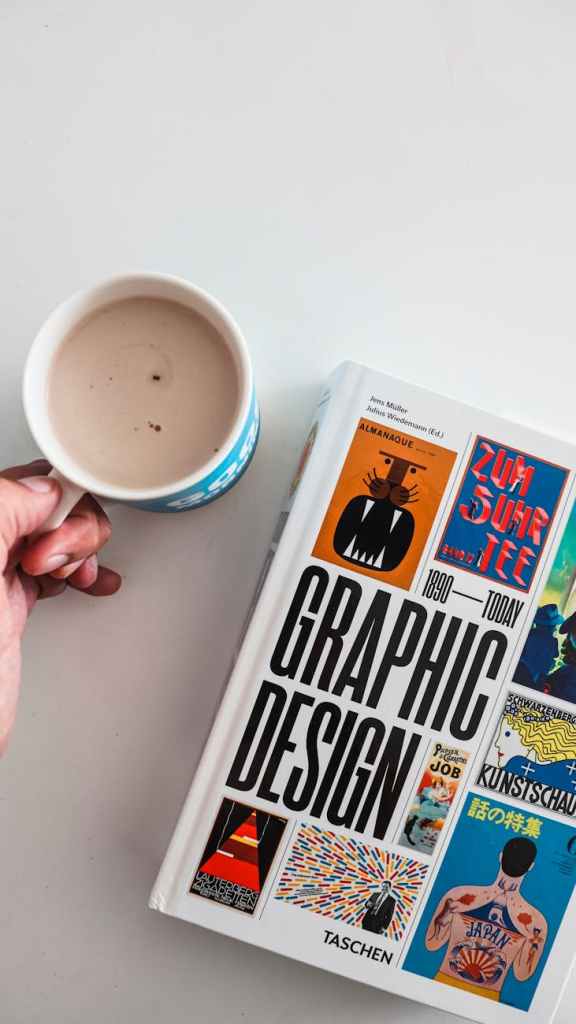
In today’s fast-paced digital world, staying ahead in the graphic design game is essential for businesses looking to make a lasting impression. Whether you’re a seasoned designer or a business owner aiming to refresh your brand’s visual identity, mastering the latest graphic design trends can elevate your presence and attract more customers. From bold typography and vibrant color palettes to minimalistic layouts and immersive 3D elements, the design landscape is constantly evolving. In this step-by-step guide, we’ll explore the hottest trends shaping the industry and provide practical tips to help you incorporate them seamlessly into your business strategy—empowering you to create stunning visuals that captivate and convert.
1. Introduction to Graphic Design Trends in 2024
Graphic design is an ever-evolving field, with new trends emerging each year that shape the way brands communicate and connect with their audiences. In 2024, we’re seeing a fascinating blend of nostalgia and innovation, where bold colors meet minimalist layouts, and immersive digital experiences take center stage. Understanding these trends is crucial for businesses looking to stay relevant and visually compelling in a crowded marketplace. This year, designers are embracing vibrant gradients, 3D elements, and dynamic typography, while also prioritizing accessibility and sustainability in their creations. Whether you’re a seasoned professional or just starting out, mastering the latest graphic design trends will empower you to create impactful visuals that resonate with your target audience and elevate your brand’s presence. In this guide, we’ll walk you through the key trends of 2024, offering practical tips and insights to help you incorporate them effectively into your business strategy.
2. Why Keeping Up with Design Trends Matters for Your Business
In today’s fast-paced digital world, design trends evolve rapidly, and staying current is essential for businesses aiming to maintain a competitive edge. Keeping up with the latest graphic design trends not only helps your brand appear fresh and relevant but also allows you to connect more effectively with your target audience. When your visuals reflect contemporary styles and preferences, you build trust and convey professionalism, which can significantly influence customer perception and purchasing decisions.
Moreover, incorporating current design trends can enhance user experience by making your marketing materials, website, and social media content more engaging and visually appealing. This increased engagement often translates to higher conversion rates and stronger brand loyalty. Ignoring design trends may result in outdated visuals that can make your business seem out of touch or less credible, causing potential customers to look elsewhere.
Ultimately, staying updated with graphic design trends empowers your business to communicate its message more powerfully, adapt to changing consumer tastes, and stand out in a crowded marketplace. It’s not about blindly following every trend but thoughtfully integrating those that align with your brand identity and business goals to elevate your overall presence.
3. Researching and Identifying Current Graphic Design Trends
Keeping up with the ever-evolving world of graphic design is essential for businesses aiming to stay relevant and visually appealing. The first step in mastering the latest graphic design trends is thorough research and keen observation. Start by exploring popular design platforms such as Behance, Dribbble, and Pinterest, where professional designers showcase their freshest work. Pay attention to recurring themes, color palettes, typography styles, and layout techniques that are gaining traction.
Additionally, follow industry-leading blogs and publications like Creative Bloq, AIGA Eye on Design, and Adobe Creative Cloud’s blog. These sources often highlight emerging trends and provide insightful analysis on why certain styles resonate with audiences. Social media channels, especially Instagram and TikTok, also offer real-time glimpses into what’s trending, as many designers share quick tutorials and project highlights.
Don’t just passively consume this information—take notes and compile examples that align with your business’s brand identity and goals. Understanding the context behind each trend allows you to thoughtfully integrate them into your designs rather than simply copying styles. By staying informed and selective, you can create fresh, engaging visuals that captivate your audience and give your business a competitive edge.
4. Understanding Your Brand’s Unique Style and Audience
Before diving into the latest graphic design trends, it’s crucial to have a deep understanding of your brand’s unique style and the audience you’re trying to reach. Your brand’s style is more than just a logo or color palette—it’s the personality, values, and story that your business communicates visually. Taking the time to clearly define these elements ensures that any design trend you incorporate aligns seamlessly with your brand identity rather than feeling forced or out of place.
Start by identifying your brand’s core attributes: Is it modern and minimalist, playful and vibrant, or classic and sophisticated? Next, consider your target audience’s preferences, demographics, and behaviors. What appeals visually to them? What emotions do you want your designs to evoke? For example, a youthful, tech-savvy audience may respond well to bold colors and dynamic layouts, while a luxury market might prefer elegant typography and muted tones.
By marrying your brand’s unique style with the tastes of your audience, you create a strong foundation that allows you to selectively apply current design trends in a way that feels authentic and engaging. This approach not only enhances brand recognition but also fosters a deeper connection with your customers, setting your business apart in a crowded marketplace.
5. Tools and Software to Master Modern Graphic Design
In today’s fast-paced digital world, having the right tools and software is essential to mastering modern graphic design and elevating your business. Whether you’re a beginner or a seasoned designer, leveraging powerful design platforms can streamline your workflow and unlock your creative potential.
**Adobe Creative Cloud** remains the industry standard, offering a comprehensive suite that includes Photoshop for photo editing, Illustrator for vector graphics, and InDesign for page layouts. These tools provide unparalleled flexibility and professional-grade features that accommodate everything from branding and marketing materials to web design.
For those seeking more user-friendly or budget-conscious options, **Canva** has surged in popularity. Its intuitive drag-and-drop interface and vast library of templates make it perfect for quickly creating eye-catching social media posts, presentations, and promotional graphics without extensive design experience.
If you’re focused on motion graphics and animation, **After Effects** and **Blender** offer robust capabilities to bring your visuals to life, adding an extra dimension to your brand communication. Additionally, tools like **Figma** and **Sketch** have revolutionized UI/UX design, allowing seamless collaboration and prototyping for digital products.
Don’t forget the power of plugins and extensions that enhance these tools, automating repetitive tasks and expanding creative possibilities. Staying updated with the latest software versions and exploring new tools will keep your designs fresh, relevant, and competitive.
By mastering these tools and software, you not only improve the quality of your graphic design but also increase efficiency, enabling you to deliver compelling visuals that truly elevate your business.
6. Step 1: Incorporating Minimalism and Bold Typography
In today’s fast-paced digital world, simplicity speaks volumes. Incorporating minimalism into your graphic design not only creates a clean and modern aesthetic but also helps your message stand out without unnecessary distractions. Minimalism focuses on using ample white space, limited color palettes, and simple shapes to create designs that are both elegant and impactful. When paired with bold typography, this approach commands attention and guides the viewer’s eye directly to the most important information.
Bold typography—characterized by thick, strong fonts and striking letterforms—adds personality and emphasis to your designs. It’s an effective way to communicate key messages quickly, making your branding memorable and easy to recognize. Whether it’s a headline, logo, or call-to-action, the use of bold typefaces can create a powerful visual hierarchy that enhances readability and engagement.
To start incorporating minimalism and bold typography into your projects, begin by selecting a limited color scheme that aligns with your brand identity. Use large, bold fonts for headlines and pair them with simple, clean body text to maintain balance. Remember, the goal is to create a harmonious design where every element serves a purpose and contributes to a cohesive story. By mastering this step, you’ll elevate your business’s visual presence and connect more effectively with your audience.
7. Step 2: Using Vibrant Colors and Gradients Effectively
One of the most striking ways to make your design stand out in today’s competitive market is by incorporating vibrant colors and gradients. These elements not only catch the eye but also evoke emotions and set the tone for your brand’s identity. When used effectively, vibrant colors can convey energy, creativity, and modernity, while gradients add depth and dimension, making your visuals feel dynamic and engaging.
To use vibrant colors effectively, start by selecting a color palette that aligns with your brand personality and message. Bold hues like electric blues, fiery oranges, and vivid pinks can create a powerful visual impact, but it’s crucial to balance them thoughtfully to avoid overwhelming your audience. Pairing vibrant colors with neutral tones can help maintain readability and provide a clean, polished look.
Gradients, on the other hand, offer a smooth transition between colors, which can add complexity without cluttering your design. Popular gradient trends include blending complementary colors or using subtle shifts within the same color family. Experiment with linear, radial, or angular gradients to see what best enhances your design elements, whether it’s backgrounds, buttons, or typography.
Remember, the key to mastering vibrant colors and gradients lies in strategic application. Use them to highlight key information, guide the viewer’s eye, and reinforce your brand’s story. By doing so, you’ll create compelling, contemporary graphics that elevate your business and resonate with your audience.
8. Step 3: Embracing 3D Elements and Realistic Textures
One of the most exciting advancements in graphic design today is the integration of 3D elements and realistic textures into your visuals. These features add depth, dimension, and a tactile quality that can make your designs stand out in a crowded marketplace. By embracing 3D graphics, whether through rendering objects, typography, or environments, you create a more immersive and engaging experience for your audience. Realistic textures—such as wood grain, metallic surfaces, fabric weaves, or natural materials—further enhance this effect by providing a sense of touch and authenticity that flat designs often lack.
Incorporating these elements can elevate your brand’s visual identity by making your marketing materials feel more dynamic and contemporary. For example, product mockups with realistic shadows and textures can showcase your offerings more convincingly, while 3D typography can add a bold, futuristic vibe to your campaigns. Tools like Blender, Adobe Dimension, and Cinema 4D have made creating and integrating 3D elements more accessible than ever, even for those new to 3D design.
To get started, experiment with simple 3D shapes and gradually layer in textures that complement your brand’s aesthetic. Pay close attention to lighting and perspective, as these factors are crucial to achieving a believable and polished look. By mastering the art of 3D elements and realistic textures, you’ll not only keep your designs on-trend but also provide your business with a visually compelling edge that captures and retains customer attention.
9. Step 4: Leveraging Motion Graphics and Animation
In today’s fast-paced digital landscape, static images alone often aren’t enough to capture and hold your audience’s attention. That’s where motion graphics and animation come into play. By incorporating dynamic visual elements into your designs, you can create more engaging, memorable, and impactful content that elevates your brand and sets you apart from the competition.
Motion graphics combine graphic design and animation techniques to bring your ideas to life, whether it’s through animated logos, explainer videos, or eye-catching social media posts. Animation adds movement and depth, making your messages more vivid and easier to understand. This not only enhances storytelling but also improves user engagement and retention.
To leverage motion graphics effectively, start by identifying key messages or products that would benefit from animation. Collaborate with skilled designers or use user-friendly tools like Adobe After Effects, Canva, or Blender to create smooth, professional animations. Keep your animations concise and aligned with your brand identity to ensure consistency. Additionally, optimize file sizes to maintain fast loading times across all platforms.
By mastering motion graphics and animation, you can bring your graphic designs to life, captivate your audience, and ultimately elevate your business to new heights.
10. Step 5: Implementing Sustainable and Ethical Design Practices
In today’s design landscape, implementing sustainable and ethical design practices is more than just a trend—it’s a responsibility that can significantly elevate your brand’s reputation and appeal. Sustainable design focuses on minimizing environmental impact by using eco-friendly materials, reducing waste, and optimizing digital assets for energy efficiency. Ethical design goes a step further by ensuring inclusivity, accessibility, and honesty in your visual communication.
By integrating these principles into your workflow, you not only contribute to a healthier planet but also connect with a growing audience that values transparency and corporate responsibility. Start by choosing sustainable resources, such as recycled paper for print materials or energy-efficient formats for digital content. Prioritize accessibility by using clear typography, sufficient contrast, and intuitive layouts that cater to all users, including those with disabilities.
Moreover, maintain honesty in your designs by avoiding misleading visuals or manipulative tactics. This builds trust and fosters long-term customer loyalty. Ultimately, embracing sustainable and ethical design practices sets your business apart as a forward-thinking leader, ready to meet the demands of a conscientious market while making a positive impact on the world.
11. Tips for Balancing Trendy Elements with Timeless Design
In the fast-paced world of graphic design, staying current with the latest trends can give your business a fresh and modern appeal. However, it’s equally important to balance these trendy elements with timeless design principles to ensure your brand remains relevant and recognizable over time. Incorporating fleeting styles without a solid foundation can make your visuals feel dated quickly, potentially confusing your audience or diluting your brand identity.
To strike the perfect balance, start by identifying the core elements of your brand—such as your color palette, typography, and logo—that embody its essence and should remain consistent. Then, selectively integrate trendy components like bold patterns, dynamic layouts, or innovative textures in your marketing materials, social media graphics, or website design. This approach allows your brand to feel contemporary without sacrificing longevity.
Additionally, consider trends as accents rather than the main focus. For example, use a popular color gradient as a background or a trendy font style for headlines, while keeping body text and key visuals classic and clean. This method not only keeps your designs fresh but also ensures they communicate professionalism and trustworthiness.
Remember, trends come and go, but a solid design foundation rooted in timeless principles will keep your business visually appealing and enduring in the eyes of your customers. By thoughtfully blending the new with the classic, you can elevate your brand’s presence and create designs that resonate today and for years to come.
12. Case Studies: Businesses Successfully Elevating Their Brand with New Trends
Examining real-world examples is one of the most effective ways to understand how incorporating the latest graphic design trends can transform a brand’s identity and boost business growth. Let’s explore a few case studies of businesses that have successfully elevated their brand by embracing fresh design approaches.
**1. EcoWear: Embracing Minimalism for a Sustainable Image**
EcoWear, a sustainable clothing brand, revamped its visual identity by adopting a minimalist design trend characterized by clean lines, ample white space, and earthy color palettes. This shift not only reflected their commitment to simplicity and sustainability but also made their branding more versatile across digital and print platforms. As a result, EcoWear saw a 30% increase in online engagement and a stronger emotional connection with eco-conscious consumers.
**2. FreshBites: Using Bold Typography to Capture Attention**
FreshBites, a fast-casual restaurant chain, incorporated bold, expressive typography into their menus, packaging, and advertising materials. By using oversized, hand-drawn fonts paired with vibrant colors, they created an energetic and approachable brand personality. This redesign helped FreshBites stand out in a crowded market and contributed to a 25% rise in foot traffic within six months.
**3. TechNova: Integrating 3D Elements for a Futuristic Appeal**
TechNova, a cutting-edge tech startup, integrated 3D illustrations and dynamic gradients into their website and marketing collateral. This approach leveraged current trends in digital design to communicate innovation and sophistication. The immersive visuals not only enhanced user experience but also elevated the brand’s perceived value, leading to a 40% growth in investor interest and customer inquiries.
These examples demonstrate that thoughtfully applying current graphic design trends can breathe new life into a brand, resonate with target audiences, and drive tangible business results. By studying these success stories, you can glean insights and inspiration to craft your own impactful design strategy.
13. Common Mistakes to Avoid When Adopting New Design Trends
When embracing the latest graphic design trends, it’s easy to get carried away and make missteps that can ultimately undermine your brand’s identity and message. One common mistake is blindly following trends without considering whether they align with your brand’s values and target audience. Just because a design style is popular doesn’t mean it’s the right fit for your business. Another pitfall is overusing trendy elements, which can make your design look cluttered or insincere, rather than fresh and innovative. It’s essential to strike a balance between incorporating new trends and maintaining a timeless, cohesive look that resonates with your customers.
Additionally, rushing to adopt trends without proper research or testing can lead to designs that fail to engage or even confuse your audience. Take the time to understand why a trend works and how it can be adapted to suit your brand’s unique personality. Finally, neglecting accessibility and usability in favor of aesthetics is a critical error. A design that looks great but is difficult to navigate or understand will frustrate users and harm your business. By being mindful of these common mistakes, you can confidently integrate new design trends in a way that elevates your brand and drives success.
14. How to Continuously Update Your Design Strategy
Staying ahead in the fast-evolving world of graphic design requires more than just initial knowledge—it demands a commitment to continuous learning and adaptation. To effectively update your design strategy, start by regularly immersing yourself in industry resources such as design blogs, podcasts, and webinars. Platforms like Behance and Dribbble offer real-time insights into emerging styles and techniques that are capturing attention worldwide.
Next, make it a habit to analyze your competitors and successful brands outside your niche to identify fresh ideas that resonate with audiences. Experimentation is key—allocate time and resources to test new color palettes, typography, layouts, and multimedia elements in your projects. Equally important is gathering feedback from your customers and stakeholders to ensure your evolving designs align with their preferences and expectations.
Lastly, consider investing in ongoing training or collaborating with innovative designers to infuse your strategy with diverse perspectives. By embracing a cycle of research, experimentation, and feedback, you’ll keep your design strategy dynamic, relevant, and poised to elevate your business in a competitive market.
15. Conclusion: Taking Action to Elevate Your Business Through Design
As we wrap up this guide on mastering the latest graphic design trends, it’s clear that staying ahead in the ever-evolving world of design is not just about knowing what’s popular—it’s about strategically applying those trends to elevate your brand and connect meaningfully with your audience. Design is a powerful tool that can transform how your business is perceived, making your messaging more compelling, your products more desirable, and your overall brand identity more memorable.
Now is the time to take action. Reflect on the insights shared throughout this guide and consider which trends resonate most with your brand’s vision and goals. Experiment with incorporating dynamic typography, bold color palettes, minimalistic layouts, or immersive 3D elements—whatever aligns best with your unique business story. Remember, the key is to blend innovation with authenticity to create designs that not only look great but also genuinely represent your brand’s values.
Don’t be afraid to invest in the right tools, collaborate with talented designers, or even upskill your own team. Consistency and intentionality in design will build trust and loyalty among your customers, setting you apart from competitors. By embracing these contemporary design trends thoughtfully and proactively, you’re not just following the latest styles—you’re crafting a visual identity that propels your business forward.
So take the leap. Start implementing these design strategies today and watch as your business transforms, capturing attention, inspiring engagement, and driving growth like never before. Your brand’s elevated future begins with the creative choices you make right now.
Staying ahead in the ever-evolving world of graphic design is essential for elevating your business and capturing your audience’s attention. By mastering the latest design trends through the step-by-step strategies outlined in this guide, you’ll not only enhance your creative skills but also create impactful visuals that resonate with your target market. Embrace these trends thoughtfully, experiment boldly, and watch as your brand stands out with fresh, modern designs that drive engagement and growth. Remember, the key to success lies in continuous learning and adapting—so keep exploring, innovating, and elevating your business with every design you create.
Author: Austin Flath Owner of http://www.welivegraphicdesign.com
——————————

Advertisement: